

Yukon: Northern Adventure Meets Modern Living
Yukon, Canada’s northwestern frontier, offers breathtaking wilderness, small-town charm, and a close-knit community ready to welcome newcomers who love the outdoors, Northern life, and meaningful work opportunities.
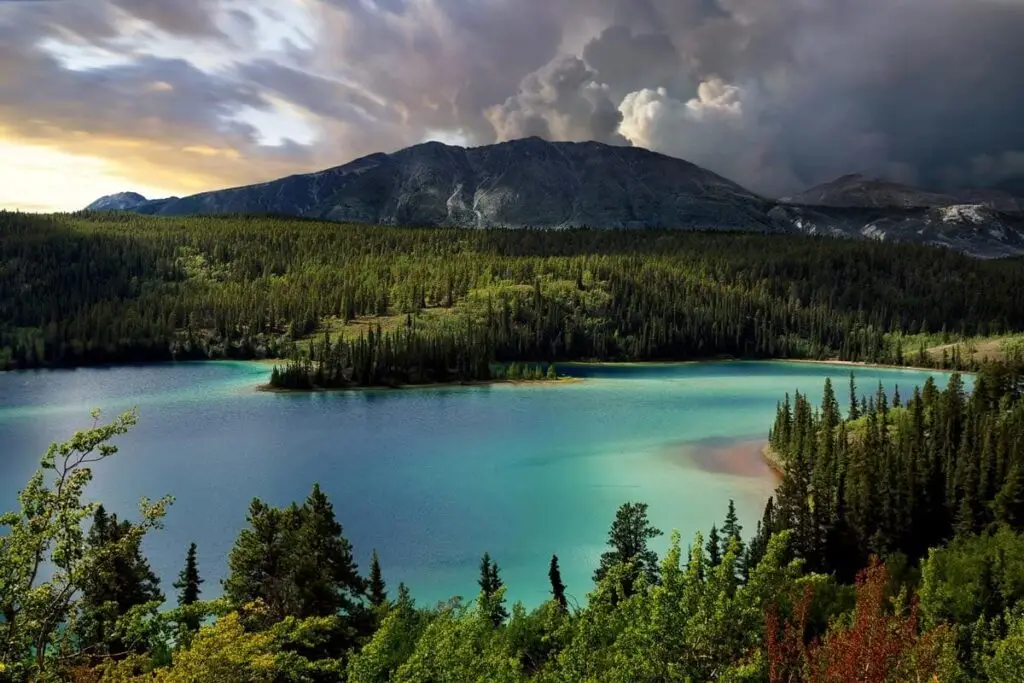
Quick‑Facts
| Metric | Value |
|---|---|
| Population (2023) | ~45,000 |
| Newcomers in 2022 | ~2,500 (workers, trades, students) |
| Avg Household Income | CAD 95,000–100,000 |
| Avg Home Price (2023) | Whitehorse CAD 500,000; rural ~CAD 350,000 |
| Largest City | Whitehorse |
| Top Colleges/Training | Yukon University; Yukon College |
| Main Industries | Mining, public services, tourism, transportation |
| Immigration Pathways | Yukon PNP, Rural & Northern immigration streams |
Why Move to Yukon?
Unique Lifestyle & Strong Community
- Experience unmatched wilderness—from Northern lights to alpine trails
- Enjoy elevated civic engagement in one of Canada’s most community-oriented regions
- Whitehorse, a city of ~30,000, offers local amenities, healthcare, ice roads, and year-round outdoor recreation
Cost of Living Snapshot
Yukon offers a distinct cost profile—higher than rural Atlantic provinces but comparable with small Western communities. Housing and fuel prices are elevated by supply constraints, but solid incomes and community services balance the lifestyle, explore our Canada Cost of Living guide.
| Category | Monthly Cost (Couple) |
|---|---|
| Rent (1BR in Whitehorse) | CAD 1,400–1,800 |
| Utilities & Internet | CAD 180 |
| Groceries | CAD 900 |
| Car + Fuel + Insurance | CAD 600 |
| Phone & Telecom | CAD 90 |
| Total | CAD 3,770–4,570 |
Education & Credential Bridging
- Yukon University and Yukon College offer diplomas in trades, public administration, and tourism—ideal for Northern employment requirements
- Foreign credentials are recognized under local regulatory authorities, with pathway support through the Yukon Nominee Program
Healthcare & Family Supports
- Yukon Health Care Insurance Plan provides coverage as soon as residency is established
- Childcare costs range from CAD 1,200–1,800/month, with limited subsidy programs in Yukon Territory
- Public schooling is well-supported in Whitehorse; rural homeschooling is common in remote zones
Climate & Outdoor Living
- Winters are cold (−20°C to −40°C), but dry and invigorating—perfect for snowmobiling, cross-country skiing, and dog sledding
- Summers bring long daylight hours, ideal for hiking, fishing, and festivals on the organic Whitehorse waterfront
- Rich in First Nations heritage, with cultural events like the Yukon River Quest and Shakwak music festival
Yukon PNP & Immigration Pathways
- Yukon Nominee Program includes Skilled Worker, Critical Impact Worker (hospitality, construction), and Yukon Experience streams
- Part of the Rural & Northern Immigration Pilot (RNIP), offering Employer Job Offers tied to community integration
- Aligned with Express Entry for skilled applicants seeking fast-track permanent residency
Pros & Considerations
Advantages
✓ Majestic Northern lifestyle, great outdoors access
✓ Strong community and civic connectedness
✓ Solid employment in mining, public services, tourism
✓ Skilled worker pathways through PNP and RNIP
Challenges
— High cost of living on essentials and heating
— Limited sector diversity—remote location limits certain industries
— Remote logistics—seasonal delays in goods/Supplies
Ideal for…
| Newcomer Profile | Why It’s a Fit |
|---|---|
| Outdoor & adventure seekers | Northern lights, remote wilderness, cultural festivals |
| Trades & hospitality workers | Employer streams in construction, remote tourism |
| Small-town community lovers | Tight-knit network in Whitehorse & rural towns |
| Public service professionals | Demand in healthcare, admin, education |
| Lifestyle migrants & retirees | Peaceful living with strong service access |
Resident Story
Olga, a community nurse from Ukraine, moved to Whitehorse in 2023 via the Yukon PNP Skilled Worker stream. She found a 2-bedroom for CAD 1,600/month and now joins local celebration events like Yukon Sourdough Rendezvous. She’s building roots and planning PR through RNIP—proud to bring healthcare services to her Northern community.
Living in Yukon: Next Steps
- Check eligible job categories under Yukon PNP
- Explore housing in Whitehorse or smaller towns
- Contact newcomer groups like Yukon Council for Persons with Disabilities and Yukon First Nations mentorship
- Apply via PNP/RNIP with local job offer
- Prepare for Northern winters—insulation, winter gear, and heating planning
Learn more in our Yukon newcomer guide → Yukon newcomer page coming soon
Yukon FAQs
- Is Yukon expensive to live in?
- More so than central provinces—food, utilities, and fuel cost more due to remote logistics, while incomes help balance savings.
- What job opportunities exist?
- Demand in public services, tourism, transportation, trades, and mining; NPN and RNIP provide clear employer-linked entry routes.
- Can I raise a family in Yukon?
- Yes—the healthcare system, schools, and seasonal family cultural activities are well-supported in Whitehorse and regional hubs.
- How do I get PR in Yukon?
- Via Yukon PNP (Skilled Worker or Yukon Experience) or RNIP, especially when supported by a local employer.
- Is the Northern climate manageable?
- Winters are extremely cold, but brought alongside community cohesion, rich outdoor experiences, and modern heat/living solutions.

