

Nunavut: Canada’s Arctic Frontier—Culture, Connection & Challenge
Nunavut is Canada’s most remote territory—home to majestic Arctic landscapes, Inuit culture, and small community living. If you’re drawn to meaningful connection, cultural immersion, and rugged beauty, Nunavut offers a life unlike anywhere else in Canada.
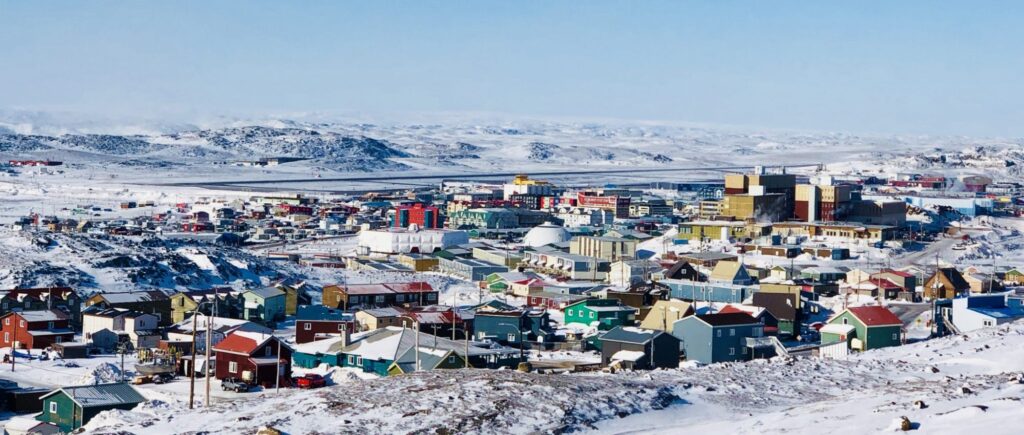
Quick‑Facts
| Metric | Value |
|---|---|
| Population (2023) | ~39,000 |
| Newcomers in 2022 | ~1,000 (mainly public service and educators) |
| Avg Household Income | CAD 85,000–90,000 |
| Avg Home Price (2023) | Rankin Inlet ~CAD 450,000; Iqaluit ~CAD 500,000 |
| Largest Communities | Iqaluit, Rankin Inlet, Cambridge Bay |
| Colleges & Training | Nunavut Arctic College |
| Main Industries | Public services, education, Inuit arts, mining |
| Immigration Pathways | Nunavut PNP, RNIP (where applicable) |
Why Move to Nunavut?
Cultural Connection & Arctic Life
- Inuit-led communities with strong language, tradition, and cultural richness
- Community-first lifestyle—close bonds, local governance, and mutual support
- Arctic proximity—live among polar bears, permafrost, tundra, and the Northern Lights
Cost of Living Snapshot
Living in Nunavut comes with high everyday costs—food, heat, and logistics are expensive due to remote deliveries. Salaries often reflect that, but budgeting is key, explore our Canada Cost of Living guide.
| Category | Monthly Cost (Couple) |
|---|---|
| Rent (Iqaluit, 1BR) | CAD 1,800–2,200 |
| Utilities & Internet | CAD 250 |
| Groceries | CAD 1,200 |
| Car + Fuel + Insurance | CAD 700 |
| Phone & Telecom | CAD 100 |
| Total | CAD 5,950–6,450 |
Education & Credential Support
- Nunavut Arctic College offers diplomas in community services, trades, and Inuit art
- Credentials are reviewed under Nunavut regulations; bridging and local equivalency support available
Healthcare & Family Services
- Healthcare is delivered regionally via Nunavut’s government with arrivals gaining coverage soon after settlement
- Childcare and school services offered in major communities; homeschooling or mixed models common in small settlements
- Supports focused on family well-being, local tradition, and cultural continuity
Climate & Living Conditions
- Extracted winters are long and dark, but tradition-rich—seasonal camps, community feasts, dog-sled races
- Summer brings brief but intense daylight warmth and long daylight hours—boat travel, wildlife watching
- Land access is often seasonal—snowmobiles, arctic char harvesting, and community-driven construction
Nunavut Immigration Options
- Nunavut PNP (in early implementation) and RNIP in certain regions offer employer-tied immigration
- Territorial staffing often seeks public servants, educators, health professionals, and tradespeople
- Many streams connect to Express Entry for skilled newcomers with valid job offers
Pros & Considerations
Advantages
✓ Authentic Inuit cultural immersion and Arctic beauty
✓ Small cohort of skilled newcomers—immediate community impact
✓ Public-sector roles often come with housing and relocation support
✓ Community first—deep bonds and shared purpose
Challenges
— Remote logistics shape living costs and timing
— Housing and heating costs are high
— Isolation from major urban centres; seasonal and weather-bound life
Ideal For…
| Newcomer Profile | Why Nunavut Excels |
|---|---|
| Public servants & educators | Local hires often supported with housing |
| Health & social professionals | High demand in small, remote communities |
| Cultural workers (artists, guides) | Celebrate and expand Inuit cultural traditions |
| Adventure seekers | Tundra, Northern lights, wildlife immersion |
| Families seeking purpose & closeness | Strong family and community networks |
Resident Story
Aqqala, an Inuit social worker from Toronto, moved to Iqaluit in 2022 under Nunavut PNP’s critical-need stream. She received housing assistance, works in youth services, and leads cultural awareness sessions. While isolated, the bond of community has become her strength—she’s on track to apply for PR and deepen her roots.
Living in Nunavut: Next Steps
- Confirm job offer or public-service role via civil service or RNIP
- Explore housing options in Iqaluit or Rankin Inlet
- Connect with newcomer supports like Nunavut’s ILRC
- Apply through PNP or RNIP supported by employer
- Understand Arctic logistics—ordering home goods, winter suits, and health access
Learn more with our Nunavut newcomer guide →Coming soon to TrickVisa
Nunavut FAQs
- Is Nunavut liveable as a newcomer?
- Yes—but cultural openness, Arctic hygiene, and seasonal infrastructure matter. Preparation is key.
- What jobs are available?
- Demand spans education, healthcare, public services, trades, and cultural roles—especially in small communities.
- Is housing provided for public servants?
- Many roles include housing support; rentals and co-housing exist in Iqaluit and Rankin Inlet.
- Can families settle here?
- Yes. Schools and community centers support locally raised children; cultural continuity is strong.
- How much do goods cost?
- Very high—expect 2–3× the mainland cost for food; bulk ordering and food programs help offset costs.

