

Manitoba: Canada’s Affordable Urban Hub
Manitoba offers a strong blend of economic opportunity, cultural vibrancy, and budget-friendly living. With its accessible cities, rich arts scene, and growing sectors in agriculture, manufacturing, and clean technology, Manitoba is an appealing destination for newcomers seeking quality life without high cost.
Quick-Facts
| Metric | Value |
|---|---|
| Population (2023) | ~1.4 million |
| Newcomers in 2022 | ~45,000 (students, workers, families) |
| Avg Household Income | CAD 95,000–100,000 |
| Avg Home Price (2023) | CAD 350,000–400,000 |
| Largest Cities | Winnipeg, Brandon |
| Top Universities | University of Manitoba, University of Winnipeg |
| Top Colleges | Red River College, Assiniboine Community College |
| Main Industries | Agriculture, manufacturing, public services |
| Immigration Pathways | Manitoba Provincial Nominee Program (MPNP) |
Why Manitoba?
Cost of Living & Housing
- Affordable housing: 1-bedroom rent costs CAD 1,200–1,600, while average sale prices remain under CAD 400,000.
- Living expenses: Monthly couple costs fall between CAD 3,320–3,890—among the lowest among large provinces.
Economic & Employment Landscape
- Manufacturing, agriculture, public administration, and emerging clean and digital tech sectors drive the labor market.
- Winnipeg’s healthcare, education, insurance, and supply-chain sectors remain stable employers even during downturns.
- Rapidly growing demand in financial services, logistics, and creative industries.
Cultural & Family-Friendly Environment
- Rich arts and festival scene in Winnipeg (Folk, Jazz, Fringe Festivals).
- A multicultural environment with Indigenous history, newcomer communities, and strong Second-language programs.
- Parks, river paths, and recreational facilities offer lively urban nature access.
Cost of Living at a Glance
| Category | Estimated Monthly Cost (Couple) |
|---|---|
| Rent (1BR in city) | CAD 1,200–1,600 |
| Utilities & Internet | CAD 150 |
| Groceries | CAD 650 |
| Car + Fuel + Insurance | CAD 350 |
| Phone & Telecom | CAD 70 |
| Total | CAD 2,670–3,020 per person; CAD 3,320–3,890 couple total |
Education & Certification
- Leading academic institutions: University of Manitoba, University of Winnipeg
- Colleges: Red River College offers strong trades, IT, and health programs
- Foreign credential recognition: MPNP offers occupation targeting, bridging scholarships, and mentorship
Healthcare & Child Services
- Public coverage through Manitoba Health Premiums
- Childcare average: CAD 900–1,500/month; subsidized programs for eligible families
- Strong public school network, including French immersion and rural access
Climate & Outdoor Life
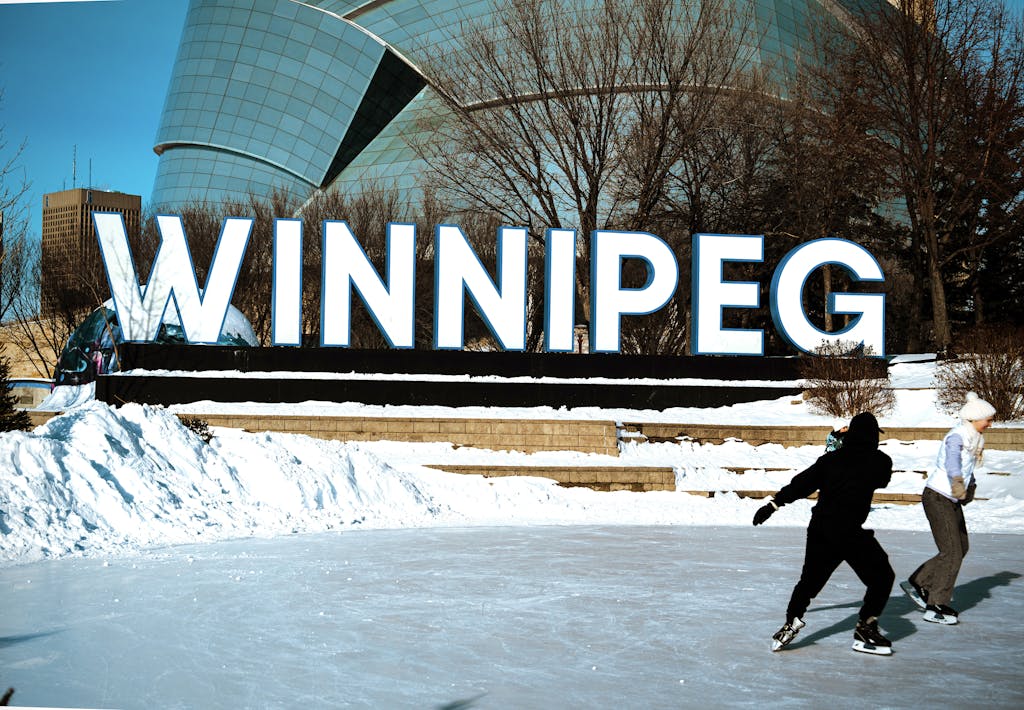
- Winter: Cold and snowy (−15 to −25°C), but city recreation like skating and winter festivals keep life active
- Summer: Pleasant, green, and festival-rich—perfect for parks, long days, and community events
- Proximity to nature: Riding mountain park, interlake waterways, and northern landscapes
Manitoba Provincial Nominee Program (MPNP)
MPNP includes targeted streams such as:
- Skilled Workers Overseas / Ontario
- International Education Stream for recent grads
- Business Investor Stream
- The program includes enhanced points for rural settlement.
Pros & Considerations
Advantages
✓ Very affordable housing and cost of living
✓ Solid job options in multiple sectors
✓ Strong settlement support and bilingual opportunities
✓ Big-city amenities with small-city ease
Challenges
— Cold winters require preparation
— Less natural diversity compared to coastal provinces
— Limited public transit outside Winnipeg
Ideal For…
| Newcomer Profile | Why Manitoba Fits |
|---|---|
| Young professionals | Affordable urban life with career stability |
| Students & recent graduates | Post-grad streams and school affordability |
| Families | Community, schools, and cost advantages |
| Skilled tradespersons | MPNP support, manufacturing and construction demand |
| Rural-seekers with city access | Balanced urban-rural lifestyle options |
Resident Story
Amina, an accountant from Egypt, used her degree and job offer to apply through MPNP’s Skilled Worker Overseas stream. She settled in Winnipeg in late 2023, found a 2-bedroom for CAD 1,500, and enjoys weekend market visits and volunteer bookkeeping work—all while paying 40% less on rent than in her previous country.
Living in Manitoba: Next Steps
- Check occupation demand on MPNP eligibility list
- Review housing options around Winnipeg or Brandon
- Contact newcomer support via Immigrant Centre Manitoba or Welcome Place
- Submit MPNP application (provincial nomination then Express Entry)
- Prepare for winters with good home insulation and winter gear
Discover more in our full Manitoba exploration guide → Visit Manitoba newcomer page
Manitoba Newcomer FAQs
- Q: Is Manitoba affordable for new immigrants?
A: Yes. Manitoba remains one of the most affordable large provinces, with low rent, utilities, and family costs—all enhanced by settlement services. - Q: Does Manitoba offer a provincial nominee program?
A: Absolutely. The Manitoba Provincial Nominee Program (MPNP) supports skilled workers, graduates, and rural settlers. - Q: Are winters in Manitoba manageable?
A: Winters can reach −25°C, but community events and city services ensure active winter lifestyles. Proper heating and insulation are key. - Q: Can I work in my skilled field?
A: Yes—MPNP offers occupation matches and bridging programs, and sectors like healthcare, accounting, trades, and tech are hiring. - Q: What newcomer settlement support exists?
A: Winnipeg’s Immigrant Centre Manitoba and Welcome Place offer language classes, employment help, and community engagement programs.

