


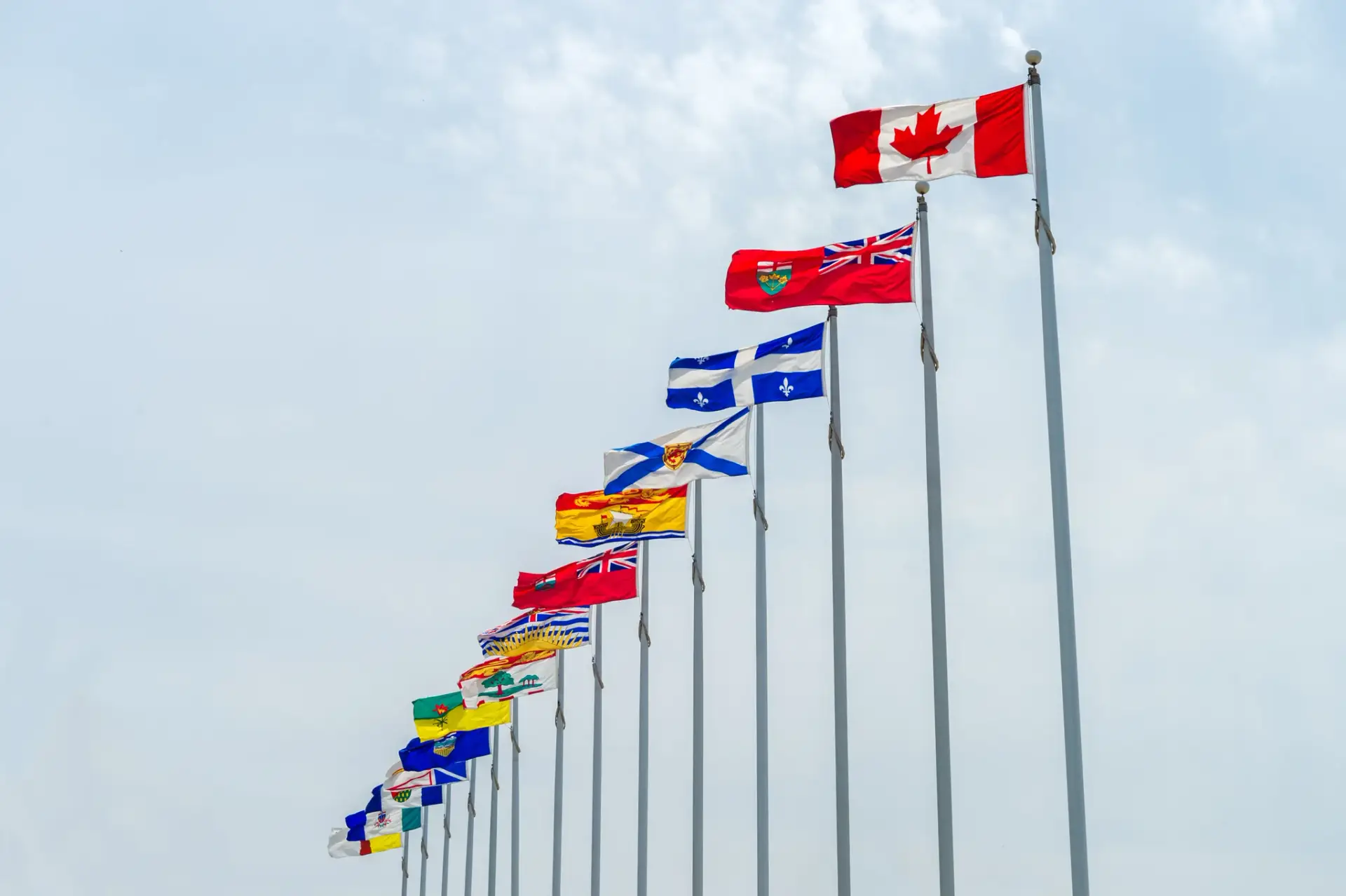
Deciding where to call home in Canada is one of the most important moves you’ll ever make. Canada has ten provinces and three territories, each offering different climates, job markets, living costs, and cultural landscapes. This 3800-word guide breaks down everything you need—region-overviews, key factors to consider, and comparison tables—to accurately choose your ideal province. Expect practical insights, ranked data, targeted planning tools, and real-world advice.

1. Begin with Your Priorities
Before exploring provinces, clarify your top priorities across four personal dimensions:
- Career & job opportunities
- Cost of living & affordability
- Lifestyle, culture & climate
- Language, community & services
These dimensions shape the tradeoffs—expensive housing in Alberta vs. cheaper living with fewer tech jobs in Atlantic Canada? Your needs will drive the choice.
2. Where Should You Start? Choosing a Place to Call Home in Canada?
With six time zones and nearly 10 million square kilometers of land, Canada isn’t just big—it’s vast, diverse, and dramatically regional. From the towering Rockies of the West Coast to the windswept Atlantic shores, every province and territory offers a different rhythm of life, cost of living, and opportunity.
The question is: where will you build your Canadian story?
To help you decide, we’ve mapped out what each region brings to the table. Think geography meets economy: rugged Arctic communities in the North, booming tech hubs in Ontario and BC, prairie cities balancing affordability with job growth, and peaceful small towns tucked along the Atlantic.
Before you commit to any one place, it’s worth stepping back to see the full Canadian landscape. This overview helps you weigh your options—from climate to career potential, and community culture to provincial perks.
So let’s break it down, Region-by-Region
Western Canada: BC, Alberta & Prairies
| Province | Strengths | Drawbacks |
|---|---|---|
| British Columbia | Mild west coast, strong tech, outdoors paradise | High housing prices, PST taxes |
| Alberta | Job-rich (energy, tech), no PST, lower housing | Weather extremes, energy sector risk |
| Saskatchewan / Manitoba | Affordable and growing, strong agriculture | Fewer major job hubs, cold winters |
Highlights:
- BC: Ideal for tech workers, creatives; Vancouver’s climate is mildest nationally.
- Alberta: Calgary/Edmonton combine urban life with mountain access at lower cost.
- Sask & MB: Emerging destinations—low cost, community-oriented, newcomer-friendly.
Central Canada: Ontario & Quebec
| Province | Strengths | Drawbacks |
|---|---|---|
| Ontario | Largest economy, diverse jobs, top education | High cost in GTA, intensive transit |
| Quebec | Affordable, cultural depth, subsidized childcare | French central to social integration |
Highlights:
- Ontario: Toronto and Ottawa host finance, tech, healthcare—but housing is unaffordable downtown.
- Quebec: Montreal and Quebec City offer a European vibe with significantly lower living costs.
Atlantic Canada: NB, NS, PEI & NL
| Province | Strengths | Drawbacks |
|---|---|---|
| New Brunswick | Cheapest rent, friendly small-city vibe | Smaller economy, fewer job chances |
| Nova Scotia | Coastal beauty, growing tech & education | Rising popularity is pushing costs |
| Prince Edward Island | Rural peace, affordable, coastal charm | Limited work options, insular |
| Newfoundland & Labrador | Cheapest housing, rugged coastline | Limited jobs, long winters, remoteness |
Northern Territories: Yukon, Northwest Territories, Nunavut
- Ideal for adventurous pioneers or Indigenous-led work.
- Extremely remote, high cost for goods, long winters—and limited services.
- Typically accessed through federal or specific hiring programs.
3. Detailed Comparison Categories
A. Cost of Living & Housing
- BC: Vancouver rent = ~$2,400–3,200; Interior cities cheaper.
- Alberta: Calgary/Edmonton rent = ~$1,600–2,200.
- Prairies: Regina/Saskatoon/Wpg = $1,200–1,600.
- Ontario: Toronto = $2,200–2,800; Ottawa ~ $1,600–2,200.
- Quebec: Montreal = $1,400–1,800.
- Maritimes: ~$900–1,400.
- Territories: Prices double southern rates.
B. Job Market & Economic Trends
- Tech/finance: BC, ON, emerging in NS.
- Energy/agriculture: AB, SK, MB.
- Public sector/education: QC, ON, NB.
- Healthcare/services: Across provinces, Maritimes losing talent but growing with remote work.
C. Taxes, Benefits & Cost Breakers
- Don’t forget provincial tax, PST, healthcare premiums, subsidized childcare, and tuition support.
- Quebec offers childcare at $100–200/month; BC requires MSP premiums.
D. Climate & Geography
- Coastal vs. prairie vs. northern extremes:
- Mild & rainy (BC)
- Cold & dry (AB)
- Bitter cold & windy (Prairies)
- Earless winters with coastal moderation (Maritimes).
- Long winters and short summers (North).
E. Language & Culture
- English only: Western and Atlantic Canada.
- Bilingual (French/English): Quebec central; new francophone waves in NB.
- Indigenous presence: North; vibrant cultural reconnection.
4. Provincial Nominee Program (PNP) Compatibility
Each province offers PNP streams—aligned with local demand, cost, and ease:
- BC PNP: Tech, healthcare, frontline workers.
- AB, SK, MB: Skilled workers, international grads.
- Atlantic provinces: AIP—fast-track for rural candidates.
- Quebec: QSWP for French-speakers; distinct from Express Entry.
Choose a province aligned with your career goals to maximize nomination chances.
5. Lifestyle & Family Considerations
Education & Childcare:
- Quebec: Most affordable childcare in Canada.
- Maritimes: Lower costs than Ontario/BC.
- BC/ON/AB: Expensive, but greater school variety.
Healthcare:
- Wait periods apply (e.g., BC three months after moving).
- Prospects vary; rural areas may have provider shortages.
Community & Refugee Services:
- Francophone and Indigenous services in QC, NB.
- Multicultural, urban, newcomer-friendly infrastructure in Toronto, Vancouver.
- Rural areas offer fewer services, but close community ties.
6. Cost vs. Reward by Family Profile
| Profile | Best Provinces | Typical Monthly Cost |
|---|---|---|
| Single, tech role | BC, ON, AB | $2,800–4,200 |
| Couple, two incomes | MB, SK, QC | $2,600–3,200 |
| Family with kids | QC, NB, NS | $3,000–4,500 (with childcare) |
| Adventure + work | AB, BC Interior | $2,800–4,000 |
| Rural/small-town | PEI, NL | $2,500–3,200 |
7. Decision-Making Framework
Step 1: Score your priorities
Fill a quick chart evaluating job, housing, culture, language.
Step 2: Shortlist provinces
Narrow to 2–3 based on score and PNP alignment.
Step 3: Do your research
Visit job boards, housing platforms, newcomers groups.
Step 4: Model your budget
Use IRCC proof-of-fund and rent estimates.
Step 5: Validate via visits
Short trips help you sense local vibe and climate.
Step 6: Align immigration path
Study the PNP or Express Entry options for each.
8. Common Pitfalls & Fixes
- Ignoring cost vs salary tradeoffs: Montreal vs. Toronto salary gap.
- Over-indexing one factor: Weather vs. job demand.
- No visit before permanent move: Local culture surprises.
- Assuming rural = quick PR: Slow job market and isolation.
9. Quick Province Comparison Table
| Province | Cost Rank | Job Market | Language Required | Childcare | Healthcare Wait | PNP Strength |
|---|---|---|---|---|---|---|
| BC | High | Strong | English | Expensive | 3 months | Tech, skilled |
| AB | Moderate | Robust | English | Moderate | Immediate | Energy/tech |
| MB/SK | Low | Growing | English | Moderate | Immediate | Skilled |
| ON | High (Toronto) | Very strong | English | Expensive | 3 months | Tech, finance |
| QC | Moderate | Strong (bilingual) | French | Subsidized | 6 months | French-speakers |
| NB/NS/PEI/NL | Low | Moderate | English | Moderate | 3 months | Rural AIP |
10. FAQs
What’s the most affordable province to immigrate to?
Atlantic provinces (NB, PEI, NL) offer the lowest housing and living costs.
Which province has the strongest job market?
Ontario, BC and Alberta dominate job opportunities, particularly in tech and healthcare.
Is Quebec more affordable?
Yes—especially for families, thanks to childcare subsidies and university tuition support.
Can I move to a province outside my PNP?
Yes—but you’ll need a federal immigration route (e.g., Express Entry). PNP ensures faster PR through provincial alignment.
Is moving to rural worth it?
Yes—for affordability and quality of life, but ensure job availability and services are suitable.